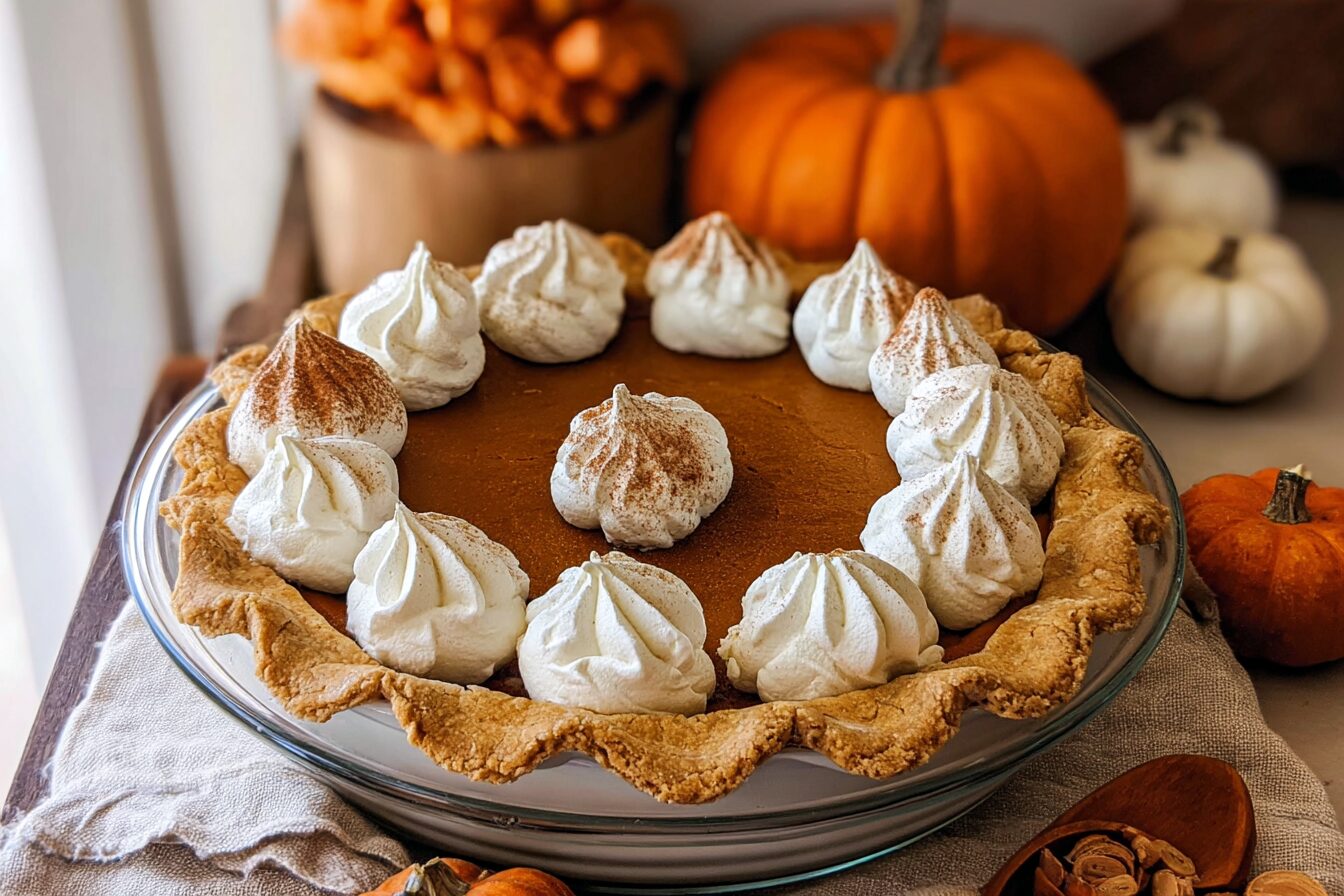
Mastering Pumpkin Pie: Essential Crust Tips & Silky Smooth Filling Secrets
Few desserts evoke the warmth and comfort of autumn quite like a perfectly baked pumpkin pie. While seemingly straightforward, crafting a truly exceptional pumpkin pie recipe—one with a flaky, buttery crust and a filling that's divinely smooth, rich, and bursting with spice—is an art form that many home bakers aspire to master. Since its popularization, discerning palates have come to expect nothing less than perfection from this seasonal staple. Let's dive into the core components that elevate a good pumpkin pie to an unforgettable one, focusing on the foundational crust and the luxurious filling.
The Foundation: Crafting the Ultimate Pumpkin Pie Crust
Every show-stopping pumpkin pie begins with a stellar crust. Forget the pre-made versions; a homemade pie crust is surprisingly achievable and delivers an unparalleled texture and flavor that truly distinguishes your pie. The secret lies in a careful balance of ingredients and technique to achieve that coveted tender, flaky characteristic.
Many acclaimed pumpkin pie recipes advocate for a blend of fats, typically butter and shortening. Butter contributes an unmatched rich, nutty flavor, while shortening, with its higher melting point, is key to achieving those distinct, airy layers and an incredibly tender crumb. Using a combination ensures you get the best of both worlds: exceptional taste and superior flakiness. The fundamental rules for a flawless crust include:
*
Keep everything cold: Chilled butter and shortening, along with ice-cold water, are crucial. This prevents the fats from melting too quickly, ensuring they remain in small, distinct pieces within the dough. As the pie bakes, these fat pockets release steam, creating those signature flaky layers.
*
Minimize handling: Overworking the dough develops gluten, leading to a tough, chewy crust. Mix just until the ingredients come together, and handle the dough as little as possible.
*
Chill, chill, chill: After mixing and forming, always chill your pie dough for at least 30 minutes (or longer). This allows the gluten to relax, making the dough easier to roll and ensuring a more tender finished product. It also solidifies the fats, further contributing to flakiness.
For those eager to perfect their pastry game, a deeper dive into techniques like blind baking can prevent a soggy bottom and ensure a crisp foundation for your silky filling. Understanding the nuances of flour types and the precise ratio of ingredients will set you on the path to pie crust glory. Discover more detailed instructions and expert advice on creating the perfect base for your festive dessert in our dedicated guide:
Craft The Best Homemade Pumpkin Pie: Flaky Crust & Creamy Filling.
The Heart of the Pie: Achieving Silky Smooth Filling Perfection
Once your crust is ready, attention turns to the star of the show: the filling. The goal here is a texture that's impossibly smooth, luxurious, and perfectly set, avoiding any graininess or rubberiness. This involves a thoughtful selection of ingredients and a precise approach to blending and baking.
Canned vs. Fresh Pumpkin: The Great Debate
One of the first decisions a baker faces when preparing a pumpkin pie recipe is whether to use fresh pumpkin puree or its convenient canned counterpart. While fresh pumpkin puree might sound more authentic, many experienced bakers actually prefer canned pumpkin for desserts.
Why the preference? Canned pumpkin often yields a sturdier, more consistent filling. Fresh pumpkin puree, while flavorful, can sometimes result in a pie with a slightly grainier texture and, surprisingly, a subtly "herbaceous" note that some find less desirable in a sweet dessert. It also tends to contain more moisture, which can affect the final set of the pie. For savory dishes, fresh is often king, but for the classic, smooth pumpkin pie flavor and texture most people associate with the holiday season, canned pumpkin puree often wins. Ultimately, the choice is yours, and experimenting with both can reveal your personal preference. For a comprehensive comparison and tips on how each impacts your pie, explore our article:
Canned vs. Fresh Pumpkin: Unlock Your Perfect Pie Filling Texture.
The Dairy Difference: Cream, Milk, and Texture
The richness and silken texture of your pumpkin pie filling largely depend on your dairy choices. Eggs are non-negotiable; they act as the primary binder, setting the filling and contributing significantly to its luxurious, almost custard-like mouthfeel.
Heavy cream is the unsung hero for ultimate silkiness. Its high-fat content lends a thick, creamy consistency that is simply divine. However, too much heavy cream can make the filling overly dense or "gloppy." Many successful pumpkin pie recipes find an ideal balance by combining heavy cream with a touch of whole milk. This blend ensures a rich, smooth texture that holds its shape beautifully without becoming excessively heavy. A common ratio might involve one cup of heavy cream complemented by a quarter cup of milk, achieving that perfect equilibrium.
The Starch Secret: Cornstarch for Structure
Beyond eggs, a starch thickener plays a crucial role in the structural integrity of your pumpkin pie. A small amount of cornstarch is often incorporated into the filling. Its purpose is twofold: it helps the pie set up more firmly, making it less prone to weeping or having a wobbly center, while simultaneously maintaining that coveted smooth, velvety consistency. It acts as an emulsifier and stabilizer, ensuring your pie slices beautifully every time.
Spice It Up (and a Secret Ingredient!)
No pumpkin pie recipe is complete without its iconic spice blend. Cinnamon is undoubtedly the star, providing warmth and sweetness. It's often accompanied by ginger, nutmeg, and cloves, which together create that quintessential autumnal aroma and flavor. Many bakers opt for a pre-mixed pumpkin pie spice, but crafting your own allows for customization and fresh, potent flavors.
Here's where a truly innovative tip comes in: consider adding a pinch of freshly ground black pepper to your spice blend or directly into the filling. While it sounds unconventional, the subtle heat and earthy notes of black pepper don't make the pie spicy; rather, they serve to deepen and enhance the other spices, adding an unexpected layer of complexity and sophistication. It's a secret ingredient that can transform your pie from excellent to extraordinary, making the traditional flavors pop even more.
Baking to Perfection: Tips for a Flawless Finish
Proper baking is the final hurdle in achieving pumpkin pie perfection. After pouring your silky smooth filling into your prepared crust, a common pitfall is overbaking, which can lead to cracks in the filling. To prevent this, bake the pie until the edges are set, but the very center still has a slight wobble. An internal temperature of 175°F (80°C) is often a good indicator of doneness.
Cooling is just as important as baking. Allow your pumpkin pie to cool completely at room temperature for several hours (or even overnight) before slicing. This allows the filling to fully set and solidify, ensuring clean, elegant slices and that desired smooth texture throughout.
Elevating Your Pumpkin Pie Experience
Once your masterpiece has cooled, the fun continues with serving! A generous dollop of freshly whipped cream, lightly sweetened with a hint of vanilla, is the classic accompaniment. For an extra touch of elegance and a burst of tartness, consider garnishing with sugared cranberries. A scoop of vanilla bean ice cream also makes a delightful addition. Store leftover pie covered in the refrigerator for up to 3-4 days to maintain its freshness and flavor.
Conclusion
Mastering the pumpkin pie recipe is a rewarding journey that blends precision with passion. By focusing on a meticulously crafted crust – whether combining butter and shortening for ultimate flakiness or employing specific chilling techniques – and understanding the nuances of a silky smooth filling – from the choice between canned and fresh pumpkin to the delicate balance of dairy, starch, and spices (including that surprising hint of black pepper) – you can achieve an unparalleled dessert. With these essential tips and secrets, you're now equipped to bake a pumpkin pie that will not only impress but become a cherished part of your seasonal traditions. So preheat your oven, gather your ingredients, and prepare to create a truly magnificent pumpkin pie.