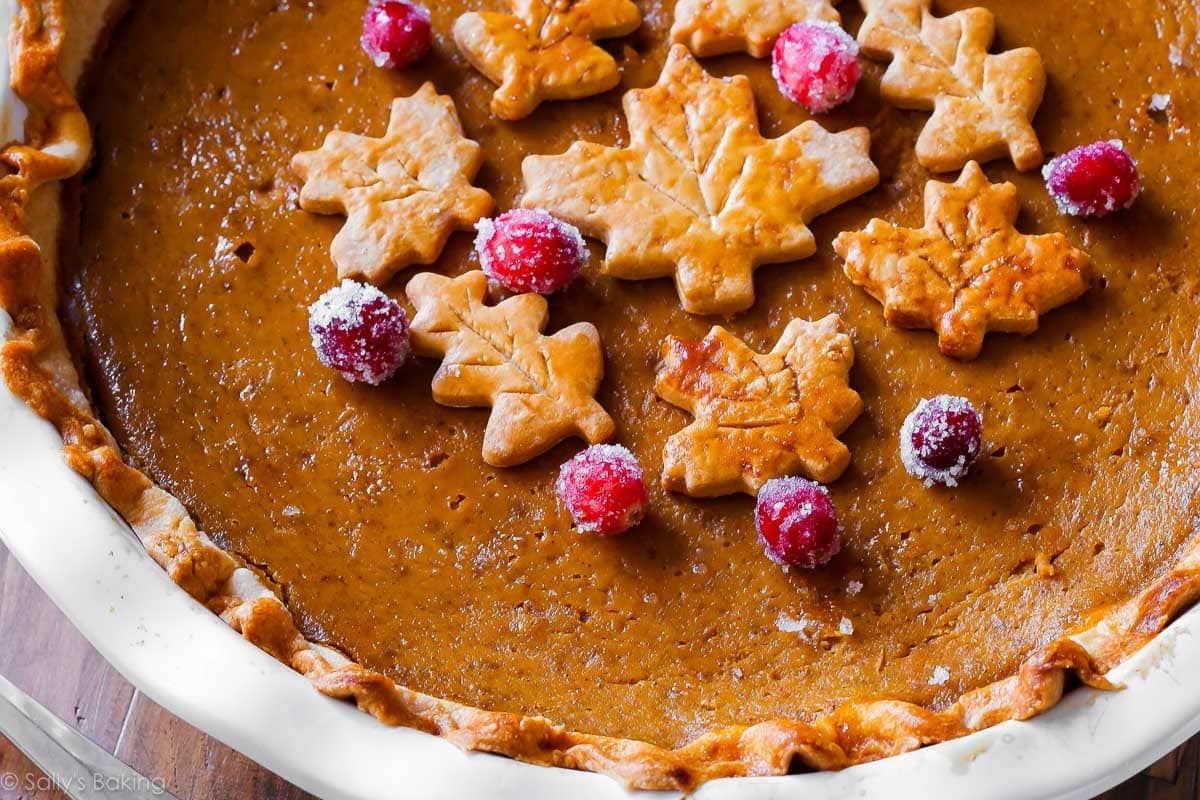
Crafting the Ultimate Homemade Pumpkin Pie: A Journey to Flaky Perfection and Creamy Bliss
There's something uniquely comforting and irresistibly delicious about a homemade pumpkin pie. It’s more than just a dessert; it’s a centerpiece, a tradition, and a symbol of seasonal joy. While many attempt to conquer this classic, developing a truly outstanding pumpkin pie recipe that boasts both a melt-in-your-mouth flaky crust and a luxuriously creamy filling is an art form. Forget the store-bought versions; we’re diving deep into the secrets that transform humble ingredients into an unforgettable culinary masterpiece. Since its initial debut back in 2014, our carefully perfected pumpkin pie recipe has consistently earned rave reviews, standing the test of time and countless taste tests.
The journey to pumpkin pie perfection involves navigating crucial choices: fresh versus canned pumpkin, the ideal fat blend for your crust, and the precise combination of spices and thickeners for that signature silky texture. We've experimented with nearly every conceivable iteration, and what we present to you here is the culmination of those high standards—a pumpkin pie that truly sets the benchmark for homemade excellence.
The Foundation: Achieving a Flaky, Buttery Pie Crust
Every exceptional pumpkin pie begins with an equally exceptional crust. This isn't merely a vessel for your filling; it's an integral part of the experience, contributing a delicate crunch and buttery flavor that elevates every bite. While a store-bought crust might seem tempting in a pinch, mastering a homemade version is far easier than you might imagine, and the payoff is immense.
Our preferred homemade pie crust strategy employs a brilliant blend of fats: both shortening and butter. This isn't arbitrary; it's a carefully considered choice. Butter contributes unparalleled flavor, its rich notes permeating every layer. Shortening, on the other hand, is a master of flakiness. Its higher melting point and pure fat content create distinct pockets within the dough, which, when baked, turn into steam, pushing the dough apart to form those coveted, airy layers. This combination ensures a crust that is both incredibly buttery and sublimely flaky.
Beyond the fat, the key to a tender, flaky crust lies in temperature and technique. Always use **ice-cold water** and **cold fats** (whether butter, shortening, or a combination). This prevents the fats from melting prematurely into the flour, preserving those crucial pockets that develop into flakes. Minimal handling is another golden rule; overworking the dough develops gluten, leading to a tough, rather than tender, crust. Once your dough is mixed, chill it thoroughly before rolling. This allows the gluten to relax, making the dough easier to handle and less prone to shrinking during baking. For further expert guidance on achieving crust perfection, explore our detailed insights in
Mastering Pumpkin Pie: Essential Crust Tips & Silky Smooth Filling Secrets.
Crafting the Creamy, Flavorful Filling
With your stellar crust prepared, it’s time to turn our attention to the heart of the pie: the filling. This is where the magic happens, transforming simple ingredients into a rich, smooth, and deeply satisfying custard.
*
Pumpkin Puree: Canned vs. Fresh
This is one of the most debated choices in the pumpkin pie world. We've extensively tested both fresh and canned pumpkin, and our findings might surprise you for a dessert application. While fresh pumpkin puree can be wonderful in savory dishes, it often yields a slightly grainier texture and a subtle "herbaceous" note in a sweet pie. Canned pumpkin, conversely, consistently delivers a sturdier, smoother, and more consistently "pumpkin pie flavor" that most people associate with this classic dessert. Its standardized moisture content also makes for a more predictable bake. However, the choice is ultimately yours; just be sure to use
pumpkin puree, not pumpkin pie filling, which is already spiced and sweetened. For a deeper dive into the nuances of each, don't miss our article on
Canned vs. Fresh Pumpkin: Unlock Your Perfect Pie Filling Texture.
*
The Dairy Balance for Silky Smoothness
A truly creamy pumpkin pie relies on the right dairy blend. Heavy cream is non-negotiable for its richness and luxurious mouthfeel. However, too much heavy cream can result in an overly thick, almost "gloppy" filling. Through rigorous testing, we discovered that a combination of 1 cup of heavy cream with 1/4 cup of whole milk strikes the perfect balance, ensuring a filling that is undeniably silky smooth without being excessively dense.
*
Eggs and Thickeners: The Structure Behind the Silk
Eggs are vital; they are the natural binders that set the pumpkin pie filling, giving it its opulent, custardy texture. Without them, your pie would simply be a puddle. To further enhance the filling's structure and ensure it slices cleanly while maintaining its smooth integrity, a touch of starch thickener is crucial. Cornstarch is our secret weapon here. It helps the pie set firmly, adding sturdiness without introducing any undesirable graininess, preserving that beautiful, uniform creaminess.
*
The Spice Blend: Classic Warmth with a Secret Kick
The quintessential flavor of pumpkin pie comes from its iconic spice blend. Cinnamon, ginger, and nutmeg are absolute must-haves, delivering warmth and depth. Cloves add another layer of aromatic complexity. But here's where our recipe takes a truly unexpected, yet brilliant, turn: **freshly ground black pepper**. Yes, you read that right! A small amount of black pepper, subtly integrated into the spice blend, doesn't make the pie taste peppery. Instead, it acts as a flavor amplifier, subtly enhancing the other warm spices, adding an intriguing depth that makes people wonder, "What *is* that amazing flavor?" Trust us on this one; it’s a game-changer. You can either add it to your homemade spice blend or incorporate it directly into the filling alongside the other spices.
Baking to Perfection and Serving Suggestions
Achieving the perfect bake is the final hurdle in your pumpkin pie journey. Bake your pie until the edges are set and slightly puffed, but the very center still has a slight, delicate jiggle. Overbaking can lead to cracks and a dry, less creamy texture. A good rule of thumb is to gently tap the side of the pie plate; if the center trembles like firm gelatin, it’s ready.
Once baked, resist the urge to cut into it immediately! Pumpkin pie needs ample time to cool and set completely, ideally for several hours at room temperature, and then chilled in the refrigerator. This critical cooling period allows the custard to firm up, ensuring clean, elegant slices and that desired creamy texture.
When it comes to serving, classic pairings are classics for a reason. A generous dollop of lightly sweetened whipped cream is almost mandatory, its airy lightness providing a wonderful contrast to the rich filling. For an extra touch of elegance and a burst of tart-sweet flavor, consider topping your slices with homemade sugared cranberries. The visual appeal and the delightful textural and flavor contrast will truly make your homemade pumpkin pie a showstopper.
Conclusion: Your Best Pumpkin Pie Recipe Awaits
Crafting the best homemade pumpkin pie is a rewarding culinary adventure that culminates in a dessert far superior to anything store-bought. From the foundational flaky crust, perfected with a smart blend of fats and cold ingredients, to the lusciously creamy filling, meticulously balanced with the right dairy, thickeners, and that surprising touch of black pepper, every element works in harmony. This isn't just a pumpkin pie recipe; it's an invitation to create a cherished memory, a delicious tradition that will delight family and friends for years to come. Embrace the process, savor the aromas, and prepare to enjoy the most exquisite homemade pumpkin pie you've ever tasted.