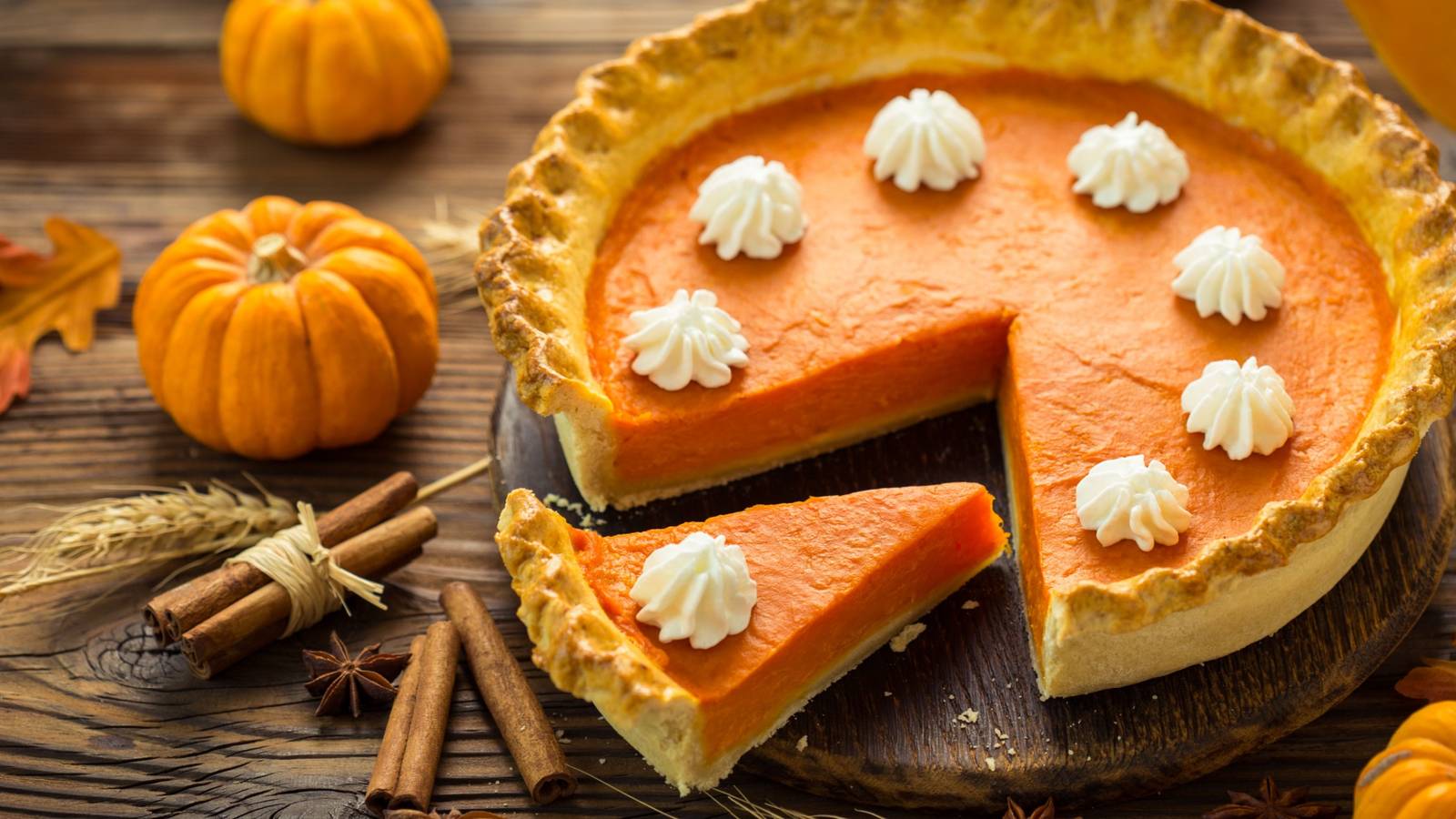
Canned vs. Fresh Pumpkin: Unlocking Your Perfect Pie Filling Texture
The aroma of a freshly baked pumpkin pie is synonymous with autumn, a comforting harbinger of holidays and family gatherings. But beneath that golden-brown crust lies a fundamental decision that can profoundly impact your pie's final texture and flavor: to use canned pumpkin puree or to embrace the farm-fresh gourd? This isn't just a matter of convenience; it's a culinary crossroads for every dedicated home baker crafting the ultimate pumpkin pie recipe. While the quest for a truly great pumpkin pie often feels more challenging than it appears, understanding the nuances of your primary ingredient – the pumpkin itself – is the first step towards achieving that dreamily smooth, rich, and perfectly set filling.
For years, bakers have debated the merits of each option, with strong opinions on both sides. Is the rustic charm and pure taste of fresh pumpkin worth the extra effort? Or does the consistent quality and specific texture of canned puree make it the undisputed champion for dessert applications? Let's delve into the great pumpkin pie debate and discover how you can unlock the ideal filling texture for your next unforgettable homemade pumpkin pie.
The Great Pumpkin Pie Debate: Canned vs. Fresh Puree
When you're aiming for a classic, universally beloved pumpkin pie recipe, the choice of pumpkin puree can be surprisingly impactful. Both fresh and canned options bring distinct characteristics to the table, and knowing these differences is key to making an informed decision.
- Canned Pumpkin Puree: The Consistent Classic
The overwhelming preference for many seasoned bakers, including those behind some of the most acclaimed pumpkin pie recipes, leans towards canned pumpkin puree. Why? Primarily, it's about consistency and reliability. Canned pumpkin is typically denser, with a lower, more standardized moisture content compared to homemade fresh puree. This uniform consistency contributes to a firmer, sturdier pie filling that sets beautifully without being overly watery or prone to cracking. It also boasts that familiar, slightly caramelized "pumpkin pie flavor" that many have come to expect and love in their festive desserts. It's important to note, however, that we're referring to canned pumpkin puree, NOT canned pumpkin pie filling, which already contains spices and sweeteners and will disrupt your carefully balanced Craft The Best Homemade Pumpkin Pie: Flaky Crust & Creamy Filling. - Fresh Pumpkin Puree: The Artisan's Choice (with Caveats)
Opting for fresh pumpkin puree is undeniably a labor of love, offering the satisfaction of a truly from-scratch creation. It allows you to select specific varieties of pumpkins (like sugar pumpkins or Pie Pumpkins, which are much different from carving pumpkins) known for their sweet, dense flesh. However, fresh pumpkin puree can be a bit of a wildcard in a dessert like pie. It often contains more moisture, which can lead to a looser, less sturdy filling that may take longer to bake or result in a slightly grainier texture. Some bakers even describe the flavor of fresh pumpkin in a pie as more "herbaceous" or earthy, which, while delicious in savory dishes, might not be the traditional sweet profile desired for a dessert. If you do choose fresh, meticulous preparation – roasting the pumpkin until very tender and then thoroughly draining the puree – is crucial to minimize excess water.
Ultimately, the "best" choice hinges on your desired outcome. For a reliably sturdy, smooth, and classically flavored pie, canned often holds the edge. For those who enjoy a more rustic, nuanced flavor and are willing to put in the extra prep, fresh can be a rewarding, albeit more variable, experience.
Unveiling the Texture Secrets: Why Canned Often Wins for Creaminess
The quest for a silky-smooth pumpkin pie filling is paramount, and it's here that canned pumpkin often reveals its hidden advantages. The processing of canned pumpkin ensures a finely milled, uniform consistency with less fibrous material than many homemade purees. This results in a filling that's consistently velvety and luxurious on the palate, helping your pumpkin pie recipe achieve its full potential.
When baking with fresh pumpkin, the potential for a "grainy" or slightly lumpy texture arises from several factors:
- Variability in Moisture Content: Fresh pumpkins naturally contain varying amounts of water. If not adequately drained after roasting and pureeing, this excess moisture dilutes the other ingredients and can prevent the pie from setting properly, leading to a custardy rather than firm texture.
- Fibrous Nature: Even good pie pumpkins can have some fibrous strands. If not perfectly blended, these can contribute to a less smooth mouthfeel.
- Roasting & Blending: Achieving ultra-smooth fresh puree requires thorough roasting until the pumpkin is incredibly tender, followed by extensive blending, sometimes even pressing through a sieve, to eliminate any remaining solids. This extra effort is what separates a grainy fresh pumpkin pie from a truly sublime one.
To mitigate these issues when using fresh pumpkin, follow these tips:
- Choose the Right Pumpkin: Opt for smaller, denser "sugar" or "pie" pumpkins, not carving pumpkins.
- Roast Thoroughly: Halve your pumpkin, scoop out seeds, brush with a little water or oil, and roast cut-side down until fork-tender. This concentrates flavor and softens the flesh for easy blending.
- Drain, Drain, Drain: After pureeing, place the fresh pumpkin in a fine-mesh sieve lined with cheesecloth. Let it drain for several hours or even overnight in the refrigerator to remove excess liquid. This step is critical for a firm set.
While fresh pumpkin excels in many savory applications like soups or curries, its natural variations in moisture and texture make it a more challenging, though not impossible, ingredient for the delicate balance required in a classic homemade pumpkin pie.
Beyond the Pumpkin: Crafting a Flawless Pumpkin Pie Filling
While the pumpkin puree itself is central, a truly exceptional pumpkin pie recipe relies on a symphony of other carefully chosen ingredients to achieve its signature rich flavor and silky-smooth texture. Each component plays a vital role:
- Eggs: The Essential Binder
Eggs are non-negotiable for pumpkin pie. They act as the primary setting agent, coagulating during baking to give the filling its structure and preventing it from being runny. They also contribute significantly to the filling's luxurious richness and mouthfeel. Finding the right balance is key – too many eggs can result in a rubbery texture, while too few lead to a pie that won't set. - Heavy Cream & Milk: The Silken Touch
For that coveted silky smoothness, a combination of heavy cream and milk is often the secret. Heavy cream provides the fat content necessary for a luscious, velvety texture, while a touch of milk can lighten it just enough. Be careful not to overdo the heavy cream, as too much can make the filling overly thick, or as some might describe it, "gloppy." A balanced blend ensures richness without heaviness. - Starch Thickener: The Sturdiness Booster
A small amount of a starch thickener, like cornstarch or flour, is a common addition to many top-tier pumpkin pie recipes. This isn't just for insurance against a loose filling; it helps create a slightly sturdier, firmer set while maintaining that desirable smooth consistency. It acts as a secondary thickener alongside the eggs, contributing to a slice that holds its shape beautifully. - Sweeteners: Depth of Flavor
The choice between brown sugar and white sugar, or a combination, impacts the pie's overall sweetness and flavor profile. Brown sugar, with its molasses content, adds a deeper, more complex caramel note that complements pumpkin beautifully. White sugar provides a clean, straightforward sweetness. Experiment to find your preferred balance. - Spices: The Soul of Pumpkin Pie
The signature warmth of pumpkin pie comes from its aromatic spice blend. Cinnamon, nutmeg, ginger, and cloves are the traditional quartet, creating that irresistible holiday fragrance. For an unexpected twist, some acclaimed recipes even call for a pinch of freshly ground black pepper. This bizarre-sounding addition actually deepens the spice profile, adding a subtle warmth and complexity without making the pie taste peppery. It's a secret ingredient that truly elevates the overall flavor experience.
For more insights into creating an unforgettably smooth filling and mastering your crust, check out our guide on Mastering Pumpkin Pie: Essential Crust Tips & Silky Smooth Filling Secrets.
The Foundation of Perfection: A Stellar Pie Crust
While this article focuses on the filling, no discussion of a great pumpkin pie recipe would be complete without acknowledging its foundation: the crust. A tender, buttery, and incredibly flaky crust elevates the entire pie from delicious to extraordinary. While store-bought crusts offer convenience, a homemade crust is a game-changer.
The secret to a perfect homemade crust often lies in using a blend of fats, such as butter for flavor and shortening for flakiness, combined with ice-cold water. This combination creates pockets of steam during baking, resulting in those irresistible layers. Mastering the art of not overworking the dough and blind baking (partially baking the crust before adding the filling) are crucial steps to prevent a soggy bottom and ensure a crisp, golden base for your exquisite pumpkin filling.
Conclusion: Your Perfect Pumpkin Pie Awaits
The journey to crafting your perfect pumpkin pie is a delicious adventure, beginning with the fundamental decision between canned and fresh pumpkin puree. While canned pumpkin often provides a reliable path to a sturdy, smooth, and classically flavored pie, the dedicated baker can achieve remarkable results with carefully prepared fresh pumpkin. Beyond the pumpkin itself, meticulous attention to eggs, cream, thickeners, and spices are what transform a simple filling into a rich, velvety masterpiece. Remember that the "best" pumpkin pie recipe is ultimately the one that delights your palate. Don't be afraid to experiment with different approaches to achieve your ideal texture and flavor, topping it all off with a dollop of whipped cream and perhaps some sugared cranberries for that extra festive touch. Happy baking!
